X MARKS THE SPOT
Investigations / Adventures / Storytelling

The project is based in Norway and work spans across several countries. It has uncovered never before researched WWII documents.
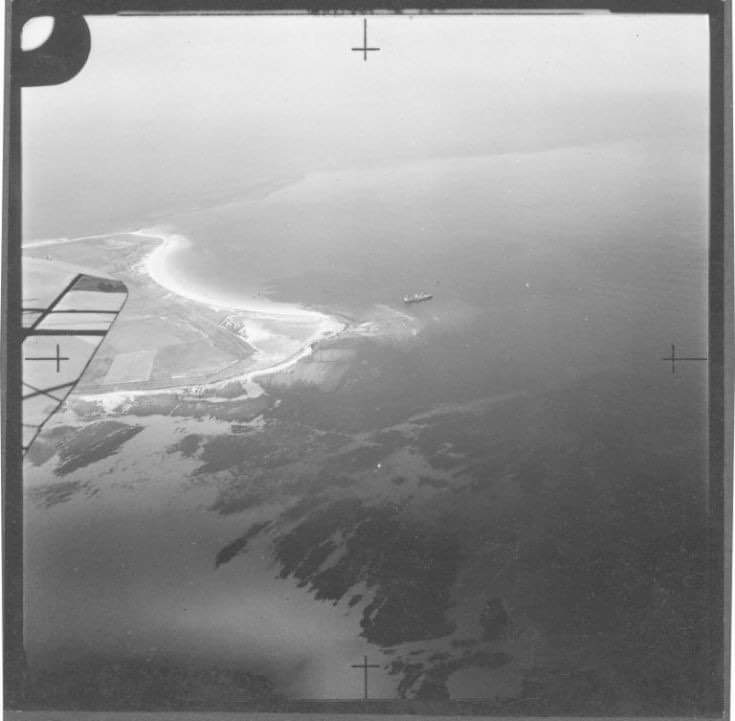
It all started when Runar found his father’s service records from his time as a sailor as well as a photo taken by the RAF in 1942. It quickly became evident that this was much more than the story of one lost ship. The project now includes research in several countries, large amounts of previously forgotten information, valuable contributors and partners, as well as new friends.
The project has so far carried out three research expeditions to Orkney, Scotland. Follow the story as it unfolds in the blog.
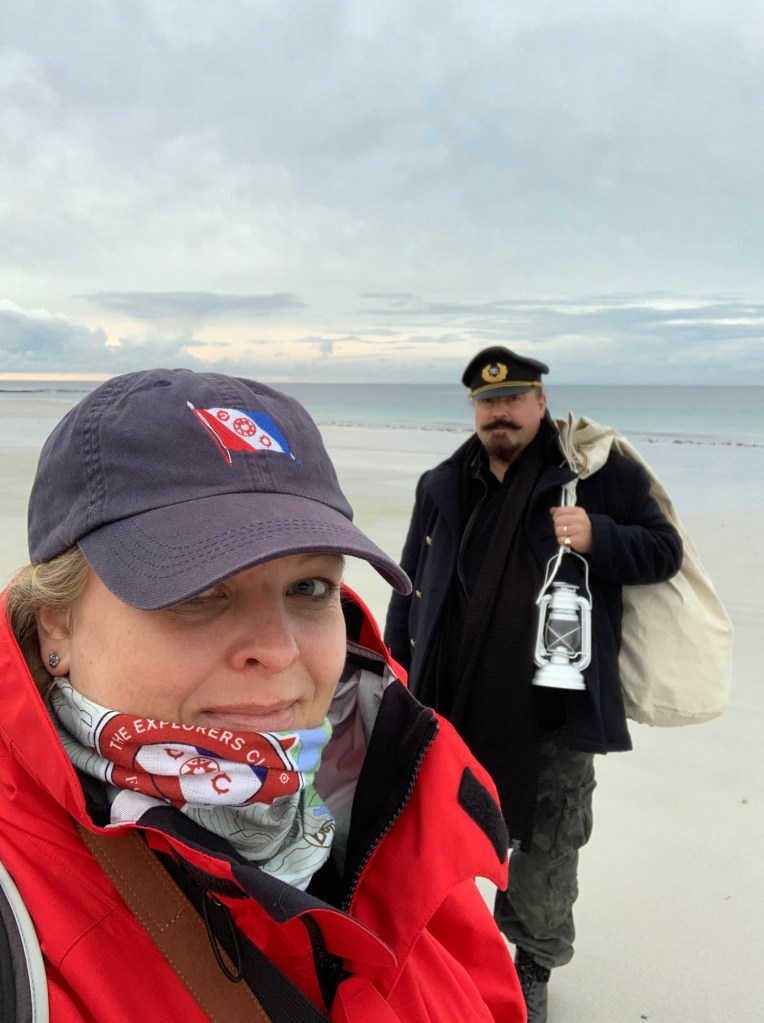
The core team consists of Synnøve, who is an archaeologist and has the main responsibility for research, and Runar who has extensive experience as a project manager.
In addition, the project is collaborating with researchers, divers, museums, archives and other contributors in several countries.
This project is receiving funding from the Norwegian Ministry of Defence / Defence Museums grant for WWII cultural heritage projects. The project has been described as “important for the communication of Norwegian WWII history”.
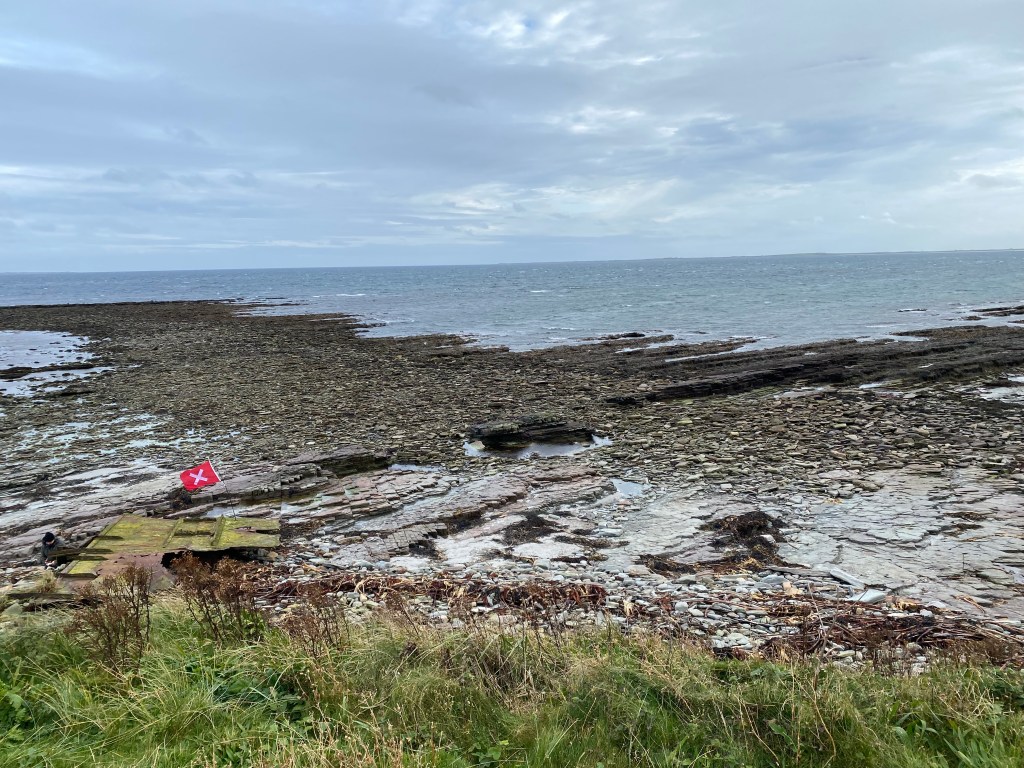
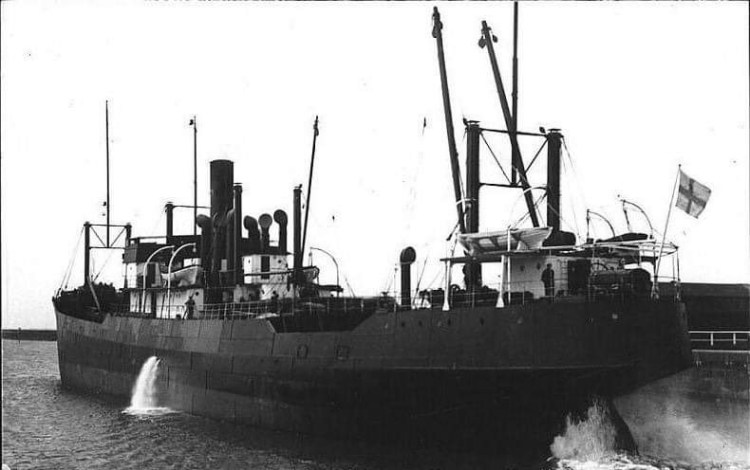
In October/ November 1939 – a critical period early in WWII – Scandinavian merchant ships S/S Wanja and M/V Mim went aground on the North Isles of Orkney. Both had Royal Navy prize crews onboard.
This research has demonstrated that the loss of these ships and the circumstances of the incidents was the direct cause of changes in standing orders for merchant and Naval ships in the North Atlantic, led to a British and a German propaganda campaign, covers-ups, created tension between Allies and neutral countries, and resulted in a post-war trial that set precedent for similar cases.
The project investigates the loss of two Scandinavian merchant ships on Orkney, Scotland early in WWII. Both had Royal Navy prize crews onboard at the time of loss. These incidents led to changes in Royal Navy Northern Patrol Orders, changes in instructions from Norwegian shipping companies to their captains, a British and a German propaganda campaign, and a post-war trial against the Admiralty that set precedent. Intertwined with the sinking of the HMS Royal Oak, a Nazi assassination, and a suicide – all in a situation with unclear responsibilities and alliances in the making.
Started in 2019 from a single piece of paper, this project has now received partial funding from the Norwegian Defence WWII Cultural Heritage fund, carried out fieldwork over three journeys to Orkney, and uncovered sources in archives in several countries.
This story is now ready to be told in presentations, and a manuscript for publication is under production.
At the time Kirkwall was a buzzing hub for the North Atlantic fleet. Most of Europe was still neutral. All neutral ships intercepted in the North Atlantic were diverted to Kirkwall for contraband control by the Northern Patrol. Ships crews never destined for Orkney found themselves there after having been rescued from torpedoed and sunken ships. They brought with them information about German activity and capacities, aiding the Admiralty in their strategy in the battle of the North Atlantic.
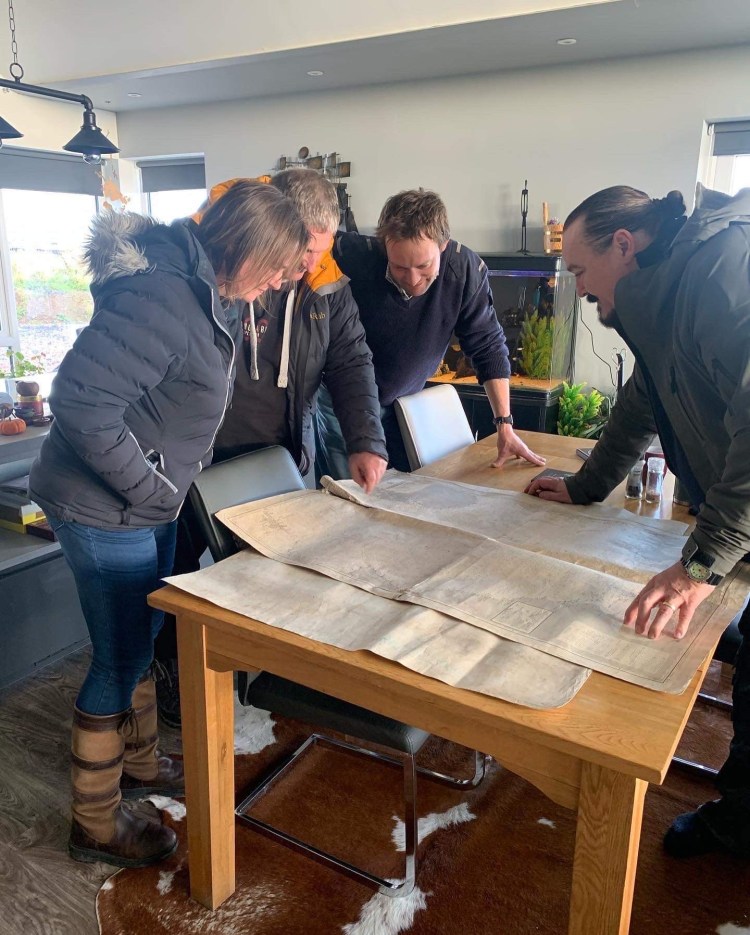
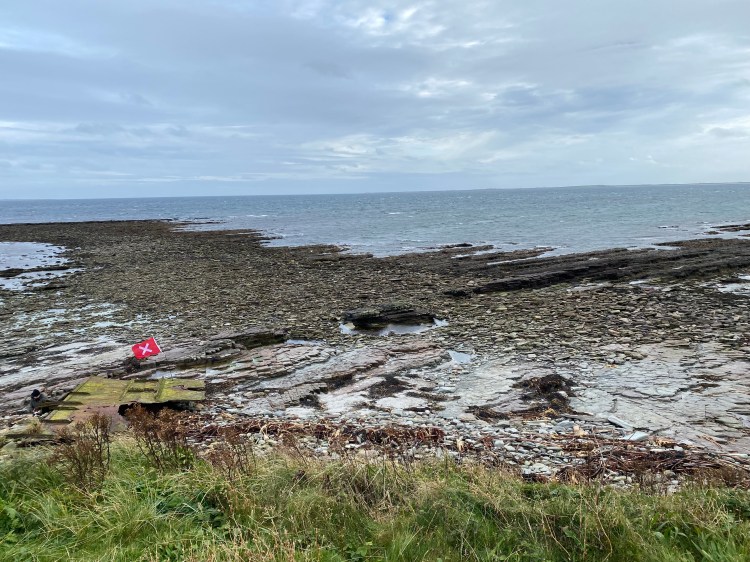
Fieldwork in 2019, 2022 and 2024 has been focusing on data collection in the local community, locating items originating from one of the ships, and further study of the wreck sites. The story thus far unravelled has been shared at Sanday Heritage Center and in Kirkwall, the latter hosted by the Norwegian Consulate and the Orkney Norway Friendship Association.
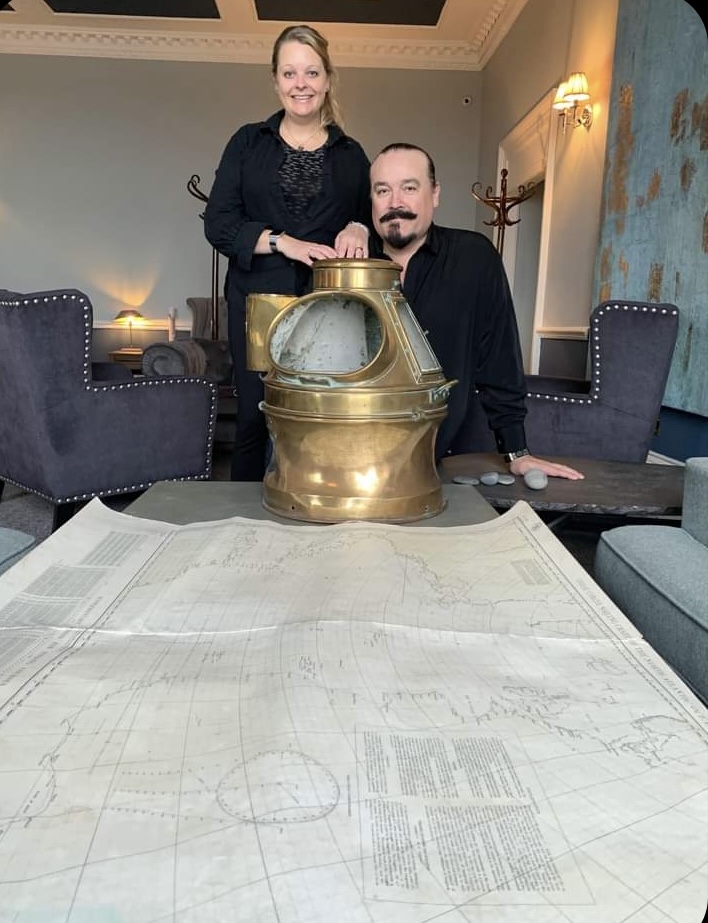
Through many stages of research and with the help of naval history experts, we have been able to reunite the compass and the chart from one of the ships, items that have not been in the same location since they were taken off the ship in 1939.
Archives in several countries have been researched, mislabelled and misplaced files and folders not examined since they were filed have been tracked down, and considerable assistance has been received from other experts. We have gained many new friends and likeminded connections in the process. Wartime sailors not previously recognised for their efforts have been named and registered. The Explorers Club network is an invaluable resource in the process, which will add to our knowledge of the difficult and confusing early days of WWII.



For further information, please contact:
 X marks the spot